

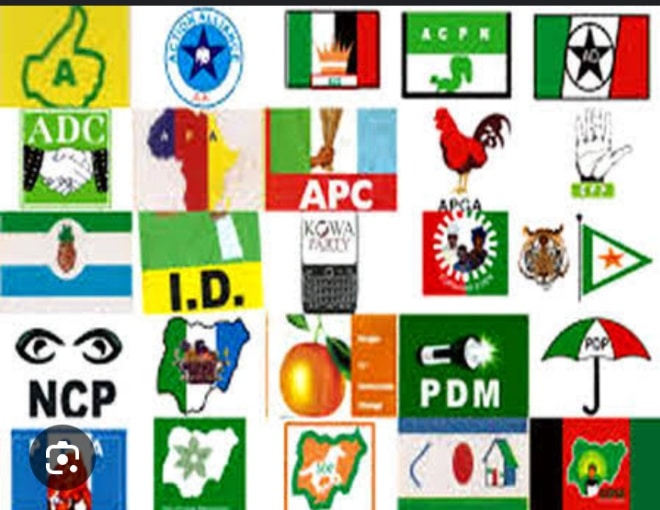
Can Nigerian Democracy Continue Without Political Party Ideology?
By Abbati Bako,political strategy and communications consultant, IPRC, Nigeria
Nigeria’s democracy has navigated 26 years without military intervention (unlike in Niger, B/Faso, Mali, Bangladesh, Sudan, Madagascar and many more emerging democracies) but a pressing question lingers: Can this democratic system persist without adhering to fundamental democratic principles and political party ideologies? Can we say cross carpeting from one political party to another is one of the key elements and principles of democratic system?
The absence of clear ideologies in Nigerian political parties raises concerns about the country’s democratic trajectory. Parties like the APC and PDP have been criticized for lacking distinct ideologies, often prioritizing power over policy and serving citizens to have positive influence on their day to day life activities. Our leaders must critically look into this point.
Also Read: Minister Badaru Charges Army War College Graduates to be Guardians of National Security
This ideological vacuum has far-reaching implications—
Lack of Accountability:
Without clear ideologies, parties are not held accountable for their actions and inactions. Accountability is one of the fundamental key elements of democratic system anywhere in democratic setting.
Policy Confusion:
Voters are left uncertain about party policies, agendas and ideological differences between political parties.
Weak Opposition:
The absence of ideology weakens opposition parties, making it challenging to provide alternative governance. For example, my political party (APC) has been trying to implement the World Bank/IMF 10 prescription and the policy seems to be stabilizing the Nigerian economic growth and development as has happened in many emerging markets like Brazil, Mexico, Egypt, South Africa and other countries in the Global Southern Hemisphere. The question has been, what are the alternative ways to political parties like PDP, APGA, NNPP, ADC and others?
To address this, Nigeria needs:
Ideological Clarity:
Parties must define their ideologies and values as well as promises made to the citizens on economy, agriculture, security, education and so on.
Internal Democracy: Parties should promote internal democracy and transparency.
Electoral Reforms:
Strengthening INEC and promoting electoral accountability.
By embracing these reforms, Nigeria’s democracy can thrive, fostering accountability, transparency, and inclusive governance. What more do you think is the most significant challenge facing Nigerian democracy today?
Abbati Bako,abbatibako@gmail.com
+2349077889959
