

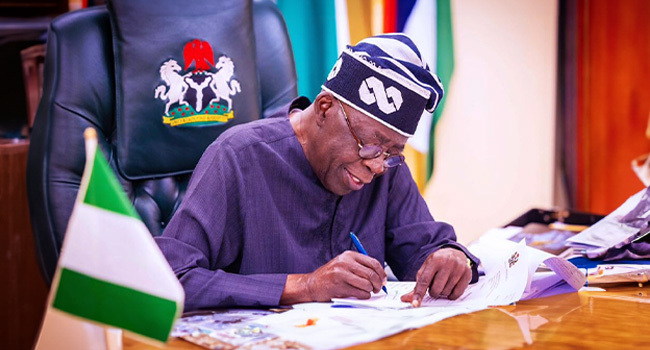
Investigation and Review of President Bola Ahmed Tinubu’s two years in office and the celebration of democracy day 12 June
By Dr. Murtala Iliyasu Ayagi Journalist and teacher
As Nigeria marks two years under the leadership of President Bola Ahmed Tinubu, and June 12th is celebrated as Democracy Day, it’s time to step out of just talking and praising, reflect on the application of this government and the real meaning of the day. that is called as a democratic party.
I love you so much. Two years of president Bola Ahmed Tinubu: between promise and work
When President Tinubu ascended to power in May 2023, he did so out of noise and the expectations Nigerians put on him. As a long-time democratic politician, he introduced himself as a reformer, which will bring change and development. The show “New Hope” had a big impact on people’s ears, but after two years, this skin became a dream for most masses.
1. Economic policies and people’s suffering
The most sensible thing is the removal of petroleum support announced since swearing in. Although economists agree with this action on paper, but the way it was implemented there is no protection or reservation for the poor. Immediately stock prices rise, plane rent doubles, and the cost of living increases. Despite the government announcing support and investment plans, the situation in Kano, Ibadan and Fatakwal markets shows no meaningful change.
Naira money is facing confusion with no sure solution. Still, foreign capital attractions have failed, as traders cry over rising electricity prices and unprecedented taxes.
2nd time. 2nd time Security and Government
In the field of security, Tinubu government has inherited a country full of chaos. From robbers in the North West, to Boko Haram in the North East, and kidnapping in the South, security issues continue to collect lives and prevent development. Despite the big changes of innovation and new plans, there has been no satisfying change for the poor.
In the field of leadership again, the collective power from central government is more seen than the empowerment of states and local governments. The political division of positions has continued to change slightly, where major positions go to the hands of political parties instead of professionals.
3. Fight against bribery and corruption
Fighting corruption has lost the confidence of the people. The suspension and investigation of former EFCC chairman, Abdulrasheed Bawa, and the misconceptions of others in government, shows that this war is selfish. The affairs of big government are more political than honesty and correction.
II. June 12th: A Meaningful Day to Reverse Heartless Tags.
Putting 12 June as Democracy Day by former President Muhammadu Buhari was a mark of honor to the 1993 elections, which most Nigerians are ranked as the most authentic and honesty in the history of the country. This day marks the representation of MKO Abiola’s struggle against Nigerians to ensure democracy.
But under the rule of Tinubu, this day has become like foreign festival only. Leaders’ comments and sports show they have no relation to the real problems that continue to overthrow democracy in the country.
How can we celebrate democracy when court orders are not respected, protests are banned, journalists are in threat, and the poor are starving and lack of solution? Democracy isn’t just about voting – it’s something that requires justice, truth, and peace for all.
Now, what remains from June 12 is not a struggle, but something politicians have turned into jewellery for their own benefit – including President Tinubu himself.
III. Conclusion: Democracy with the root of the people.
To be fair, the two years of Tinubu’s reign has been confusing. We see no new hope, we only see deeper suffering and disorganization of life. The only thing that stands between nationalism and corruption is the perseverance of a Nigerian, not government policies.
By June 12th, we must resign the day – not a government holiday – but as a day of reflection, awareness, and challenge the system that affects the lives of the poor. The day when the voice of the poor will end, it will not stop you from bringing you out.
The truth of democracy does not originate from the back of the pulpit or in governmental speech; it emerges from the streets, the parliament, the courts, and the hearts of the people who understand and exist.
Nigeria is waiting for this kind of democracy – true.
