

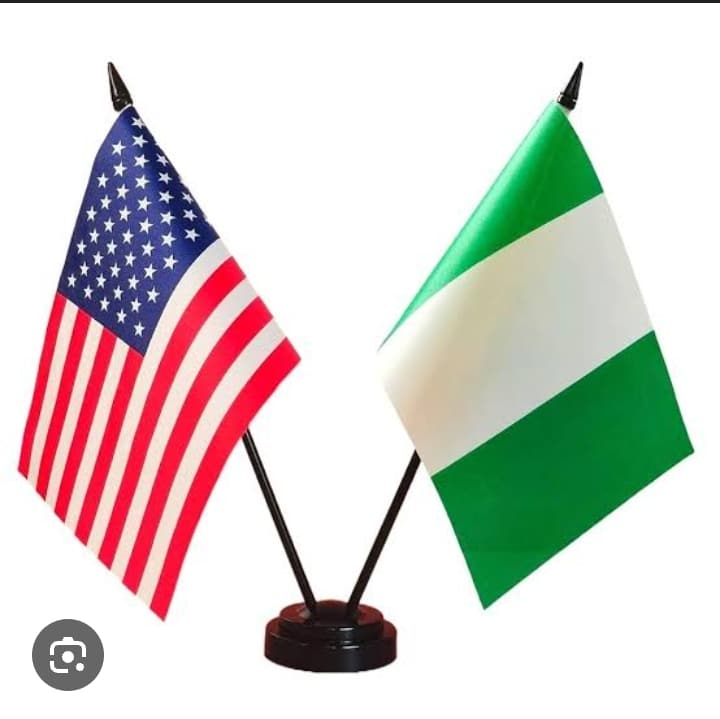
Reciprocal Tariffs By the Trump Government: Implications For the Global South and Nigerian Economy
By Abbati Bako,pol.sc,Kent Uni,
Everything you have seen in this world is connected with business. Business is second to oxygen in human life because business is an economy. This writing said several times that economy is an imperative part of human life and human beings are a symbol of economy from birth to death. A nation without a viable economy; its citizens will suffer tremendously in life. Economic hardships or precarity will create security changes in a country. All the wars and conflicts in this world have been as a result of looking into economic advantages or disadvantages for the nation or society.
The imposition of reciprocal tariffs by the President Trump administration has sparked intense debate about its impact on the global economy, particularly for developing countries like Nigeria. To understand the implications of these tariffs, it’s essential to examine the current tariff landscape which may likely charge the global economic interplay.
*Global Tariff Landscape
The global tariff landscape is characterized by varying tariff rates imposed by different countries. For instance, India imposes a 26% tariff, China 34%, European countries 20%, and a 10% baseline tariff on all countries of the world. These tariffs have significant implications for international trade and economic growth all over the world especially in the Global Southern Hemisphere.
*Trump’s Economic Policy
President Trump’s economic policy is centered on the idea that high tariffs will encourage Americans to buy “Made in America” goods, thereby boosting the American economy. However, this policy has far-reaching implications for the global economy, particularly for developing countries. The question is that; where is the issue of protectionism as one of the rules and principles of globalization policy? And is globalization policy dead or still alive and under implementation.
*Impact on the Global South and Nigerian Economy
The imposition of reciprocal tariffs by the Trump administration is likely to have a negative impact on the Global South, including Nigeria and other African countries. The tariffs will increase the cost of imported goods, making them less competitive in the global market. This could lead to a decline in exports, economic growth, and employment opportunities in the global Southern Hemisphere. Hence, the African Continent will suffer more than any other Continents.
*Way Out for Nigerian Economic Precarious
To mitigate the negative impacts of reciprocal tariffs, Nigeria and other developing countries must explore alternative markets and diversify their economies. Some potential strategies include.
1. Diversification of exports
Nigeria can diversify its exports to reduce dependence on a single market.
2. Regional integration
Nigeria can strengthen regional integration efforts to increase trade with neighboring countries like ECOWAS and other African countries.
3. Investment in infrastructure
Nigeria can invest in infrastructure development to improve the business environment and attract foreign investment. Roads, water resources, electricity energy, rails roads etc
4. Promoting entrepreneurship
Nigeria can promote entrepreneurship and support small and medium-sized enterprises (SMEs) to drive economic growth.
*Conclusion
The imposition of reciprocal tariffs by President Trump’s administration has significant implications for the global economy, particularly for developing countries like Nigeria. To mitigate these impacts, Nigeria must explore alternative markets, diversify its economy, and invest in infrastructure development. By adopting these strategies, Nigeria can reduce its dependence on a single market and promote economic growth and development.
Dr. Abbati Bako,political strategy and communications consultant IPRC, Nigeria and Treasurer Kano Chamber of Commerce and PhD,. Scholar/Researcher in Globalization Policy @Skyline University, Kano and former Advisor to Governor of Kano State Dr. Abdullahi Umar Ganduje on Public Affairs and former electoral Commissioner@Kansiec and can be reached +2349077889959 abbatibako@gmail.com t.onh UK reached +2349077889959 abbatibako@gmail.com
